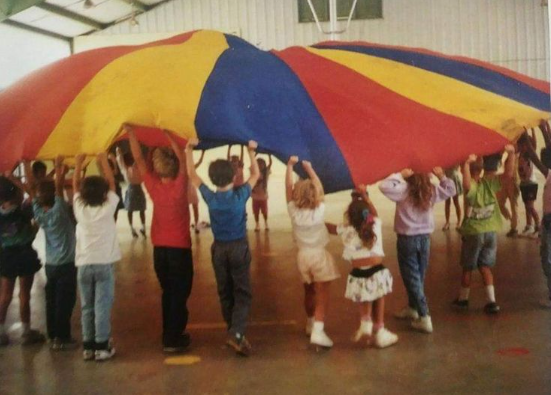
Each generation has the years they yearn to go back to, the prime of their lives. Sometimes, when people reflect on who they are now, they feel disappointed knowing that there was a time when life was simply better. Gen Z, however, tends to experience this more than any other generation.
Every year, at least once, a new trend gets popularized regarding who people were versus who they are now. Whether it’s a glow-up or growing up, younger people tend to look back on the past and try to grasp onto it. Seeing these trends firsthand and experiencing nostalgia frequently, I wonder why my peers and I crave going back so much when there is so much to look forward to.
One reason is that a lot of our childhood or teenage years were spent inside. The COVID-19 pandemic caused everyone, especially Gen Z, to be on social media significantly more than before because it was the only form of social interaction available. Even after the end of the pandemic, the world never felt the same as before. The feeling of being trapped in an endless loop lingered for years after. Being stuck as a kid, but being forced to age and mature into an adult. This caused most of Gen-Z to long for going back in time, to have a complete second chance. Naturally, we want to go back because it wasn’t our fault that those years were wasted.
Another reason this happens is the forced maturing of younger people. Social pressure is abundant online, which is an important factor in the heightened depression and anxiety in teenagers. Beauty standards, popularity, and even one’s personal interests are influenced by what others believe. The weight younger people carry due to social media is more than they can withstand, but the pressure to use social media is even higher. This creates an endless cycle of continuing to use social media despite being aware of its negative effects. Activities such as doomscrolling, comparing oneself to others on social media, and posting oneself on social media are all common behaviors that teenagers exhibit on social media. These actions can be incredibly damaging and cause teenagers to become depressed, yet teenagers continue to engage in them because of social pressures. These overwhelming negative emotions are easier to deal with when you think about a time when you didn’t feel them at all.
Reminiscing on when life was stress-free and remembering what it was like to be a kid gives that dopamine boost you don’t get from thinking about life in the present, which is why we do it so much. It’s easier to reminisce than to face the reality of the present and the fact that we don’t get a do-over. Nostalgia is used as a coping mechanism to deal with the genuine fear and stress of having to grow up.
Regardless of this, I still believe that being nostalgic isn’t a bad thing. Having the ability to look back and appreciate old teachers, catchphrases, and friends means there are positive memories to cherish, which is something to be grateful for. However, it is also important to look ahead, not out of necessity but because there truly is so much to look forward to. It could be something small, like a concert, or big, like graduating; all that matters is that it keeps one foot in front of the other. It’s good to think about the past because it’s why we are who we are, but it’s also important to remember that time will pass whether we want it to or not, and we must move with it.




Javyn Myers • Dec 10, 2025 at 5:24 PM
on bro this couldn’t be more accurate
Marcus • Dec 5, 2025 at 9:31 AM
This is the most powerfully succinct examination of the Gen Z model of reality I’ve ever had the pleasure of reading. There is a whole book that can be written about this! Bravo Lynnae!