Sometimes when I’m scrolling, I feel like I’m watching different jello from the same mold. Other times it feels like different molds somehow making the same jello.
I close TikTok because I’ve been on it way too long, open Instagram, and the first Reel is literally the same video I just watched. Then I go to YouTube to be “productive,” and the Shorts tab throws me the same trend, just with a different face in a different hoodie.
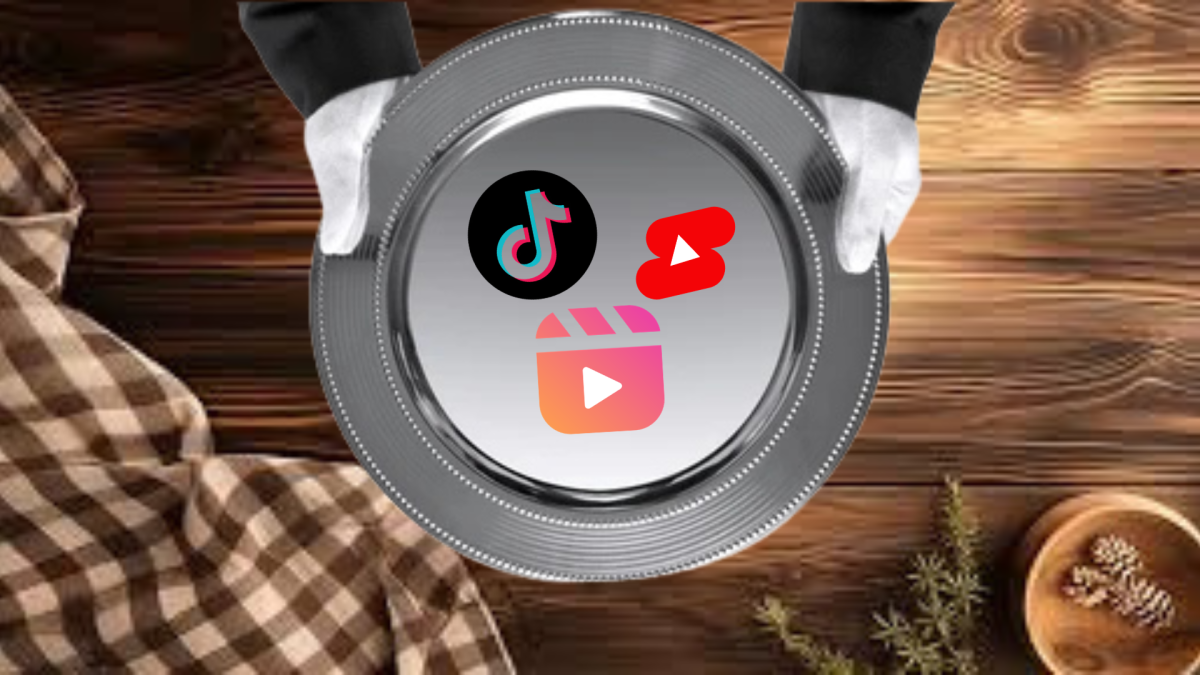
Once you’re inside, it begins to feel like one big bowl of short‑form jello, only scooped into three different cups.
So are TikTok, Reels, and Shorts actually different experiences, or are they merely different outfits for the same brain‑melt?
What each app says it is
On paper, these apps swear they’re not the same.
TikTok is the chaos generator. It wants to be the original mold: the place where trends start, audios blow up, and your For You Page decides who you are.
Instagram Reels acts more like, “We already have your friends, so you might as well watch the same stuff here.” It’s built on the people you already follow, plus whatever the algorithm thinks you’ll tap.
YouTube Shorts is the little sibling hanging onto long videos: “Since you’re already here for a 15‑minute breakdown, here’s a 15‑second version to keep you from leaving.”
If you read the press releases, the molds are different: TikTok is discovery, Reels is friends, Shorts is creators.
But that’s not how it feels when you’re in the apps.
How it feels when you’re actually scrolling
As a student, I don’t think, “I will open my discovery platform to experience innovative short‑form content.” I think, “I’m bored,” and start swiping.
What I actually see is:
- The same videos trending on all three.
- The same filters on different faces.
- The same joke told three times with slightly different timing.
Ask almost anyone at Rangeview where they saw a video, and you’ll get answers like:
- “I don’t know, I just remember the sound.” (Isaiah, sophomore)
- “I saw that TikTok on Reels, like, two weeks later.” (Omar, junior)
The labels we use—TikTok, Reel, Short—are more about upload buttons than how our brains experience them. For us, it’s simply the feed: endless clips flying past our eyes until we laugh, get mad, get inspired, or fall asleep.
That’s where the jello metaphor hits. The apps might be different molds, but once the content is poured in, it sets into the same shape in our brains: fast, emotional, forgettable, and loopable.
Does the mold actually matter?
On one level, yes, the mold matters.
TikTok is owned by a Chinese company and terrifies governments. YouTube Shorts is plugged into a money system for creators. Instagram is connected to your real identity, your friends, your family, and whatever version of yourself you present there.
People act slightly differently on each app:
- On TikTok, you might feel more anonymous.
- On IG, you’re more careful because your mom, your coach, or that one teacher might see it.
- On YouTube, you might be more in “creator mode” and think about titles and thumbnails.
But the differences are shrinking.
Phones don’t care which app you’re on when you’re lying in bed at 1 a.m. Your thumbs don’t change their technique. Your brain doesn’t pause and say, “This dopamine hit is from Meta, not ByteDance.” It says, “Another clip. Another clip. Another clip.”
We like to pretend the molds are different for safety:
- “I’m not always on TikTok, I’m just on Reels.”
- “It’s not real TikTok if it’s a YouTube Short.”
But the way the feeds are designed—the algorithm guessing what will make you stay, the same trends spreading across all three—makes them feel like one giant, merged platform.
Different molds, same recipe.
What this does to how we see things
This wouldn’t matter as much if short‑form was just jokes, dances, or dogs wearing sunglasses. But we’re also seeing:
- Wars broken down into clips with captions and dramatic music.
- Politicians turned into trending audios and memes.
Now add AI into the combination—AI voiceovers, images that never happened. The speed and sameness of TikTok, Reels, and Shorts mean we don’t just see fake things; we see them repeated until they feel normal.
If a fake clip goes viral on one app, the others pick it up like it’s candy. By the time a fact‑check or real article finds it, the trend has moved on and taken our attention with it.
The jello doesn’t just taste the same. It hides what’s real and fake inside the same bowl.
So what do we do with all this jello?
I’m not going to tell you to delete all three. I’m not deleting mine.
Short‑form content is fun. It gives us inside jokes, weird hyper‑specific communities, and quick hits of “I feel seen.” It lets a random kid blow up off one clip. It’s not all bad jello.
But if TikTok, Reels, and Shorts are all scooping from the same tub, we should at least admit it.
We should admit that:
- We’re swimming in the same feed, just with different brand names.
- We lose track of where we saw videos and clips, which makes it harder to check if anything is true.
At this point, it’s hard to tell if we’re eating different jello from the same mold, or if the molds themselves have changed so much that everything we see starts to taste the same.
I don’t have a perfect solution, but I know this: if we’re going to keep scrolling the same jello every day, we should at least think about what it’s doing to our brains—and every once in a while, look at something that isn’t pushing to go viral.
Sometimes, the realest thing you can do is get out of the bowl.