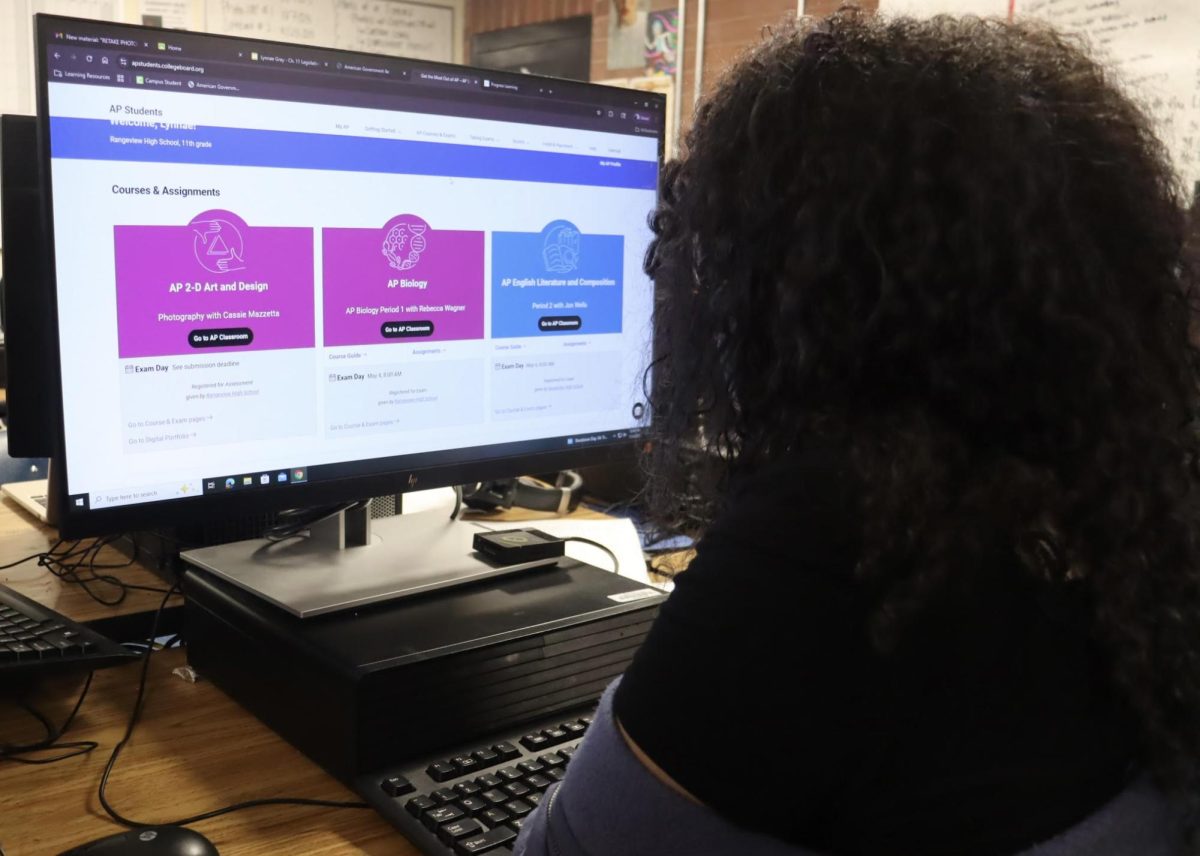
Standardized testing has been a staple in the American education system. Whether it be the SAT, ACT, GRE, or even going into elementary and middle schools as well. Standardized tests are used to measure students’ achievements and evaluate student and school performance. However, across the countries an increasing number of educators and scholars have divided opinions on whether standardized testing is beneficial for students. It raises the question as to whether standardized testing really is doing more good than harm.
Standardized tests not only measure students comprehension and identify areas for improvement, but are also a way for schools to evaluate their overall performance. However, Christopher Tienken, argues that these tests “ are predominately measuring the family and community capital of the student.” Tienkan continues to state that, “students from impoverished backgrounds often encounter barriers that limit their access to life experiences that build background knowledge often found on standardized tests.” The United States does not have a national curriculum and education is primarily controlled by each state and the local districts. The SAT for example, is a test given nationally and isn’t modified for each state. This creates an unfair balance between students solely due to where you live.
Money and politics has always been a factor when it comes to education. Schools rely on the government for funding and several other factors affect the overall outcome of how good a school can be just based on school zones. This not only affects educators and how much they are getting paid, but also the resources that students are getting. The lower the school’s testing scores are, the lower funding and support they get.
Within schools it is encouraged that each student is themselves and I believe that such standardized tests only fit a certain type of student. We as students all have different types of ways we learn and comprehend. Standardized tests do not cater to how diverse students can be and when it comes down to how beneficial these tests are, they often favor those from well funded schools with access to better resources.
Recent data has shown that over the past 5 years, both literacy and math proficiency has declined significantly. Despite there already being a downward trend even before the COVID-19 pandemic, scores have continually decreased since then. Thomas Kane, a Harvard graduate says that, “these latest results are not surprising, unfortunately.” Between 1990 and 2015 there were substantial improvements in math and reading achievements however, “there’s been a decline in focus on test-based accountability since the No Child Left Behind act expired in 2015.” The rise in social media use is one of the biggest factors in why proficiency has gone down, and it is not only happening in the United States, but also in some countries within Europe and Asia.
Testing also creates a lot of anxiety for students, and it isn’t an accurate measurement for who they are. In my opinion, it is good that more colleges consider not require test scores, and lean their consideration towards looking at the student holistically, rather than solely basing it off of one test they took their junior year of high school.
With this data, it is hard for me to agree with others that standardized testing is really beneficial within our education system. With moving away from standardized tests we can create a more equitable, accurate, and supportive education system.