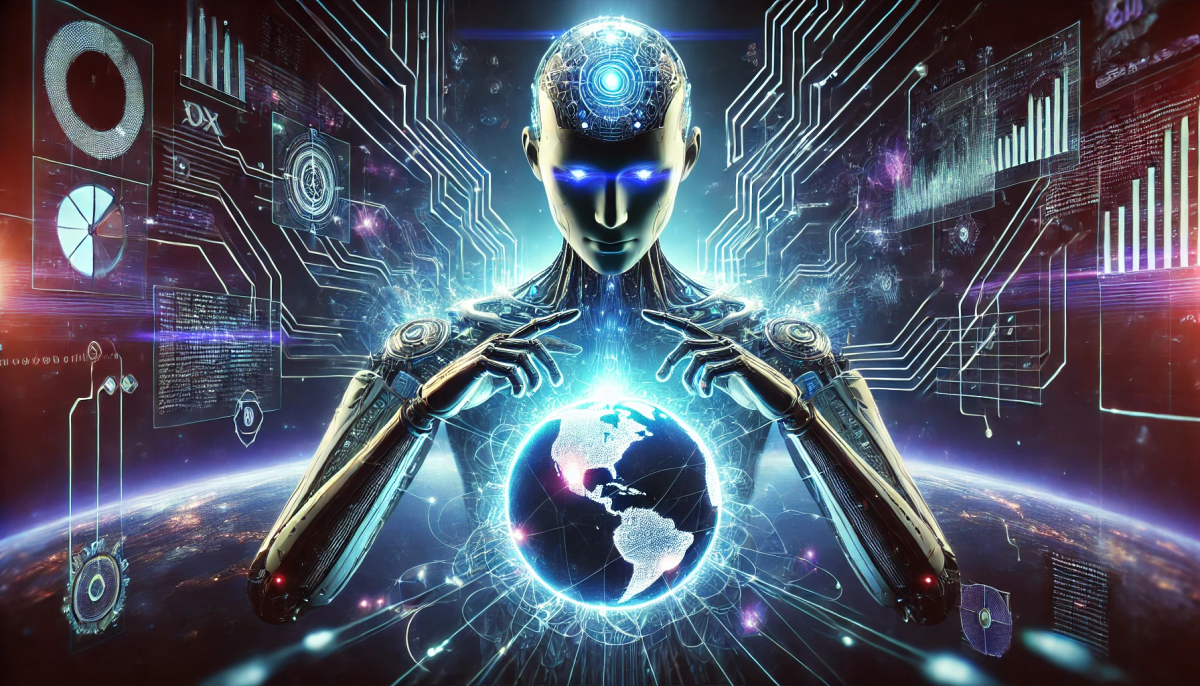
We used to say, “Seeing is believing.” Today, that’s becoming a dangerous lie.
Not long ago, that saying mostly held up. But now, AI tools can create videos and images so convincing that millions of people are falling for fake events. During the recent war with Iran, social media was filled with realistic AI‑generated clips: missiles raining down on Tel Aviv, U.S. special forces held at gunpoint, airports under attack, and U.S. bases and embassies burning. Some were propaganda; others existed just for clicks. Either way, they blended almost perfectly into people’s feeds.
And that’s the scariest part: this is the new normal. AI doesn’t just edit reality—it can invent it from scratch. And once we accept that kind of illusionism in something as serious as war, it quietly slips into everything else we watch, from polished commercials to stupid joke videos.
You can already see that happening in places that seem way less serious than war. Take Coca‑Cola’s Christmas commercial last year; this is the second year in a row they’ve gone completely AI‑generated. It looks beautiful and magical, but none of it ever existed. Instead of filming real people in a real place, a massive company decided it was easier and cheaper to let AI design an almost flawless fantasy. When even our holiday ads are built out of convincing illusions, it trains us to trust images that have nothing to do with reality—and that makes it easier for more harmful AI fakes to slip by unnoticed.
And it doesn’t stop with news clips and giant brands. It shows up in the dumbest corners of the internet, too. One example is an AI video I saw based on the first Mario movie, titled “Bowser Defeats Mario & Made Peach His MAID?!” At first, it just seemed like a stupid joke, but the more I watched, the more unsettling it became. Mario, Bowser, and Peach looked and sounded close enough to the originals that if you didn’t know the movie or games, you might think this was a real scene. This is another kind of fake reality: using beloved characters to normalize made‑up situations. When we keep watching and sharing videos like this, we’re training ourselves to accept almost anything on a screen as entertainment—and that same habit makes it easier to fall for AI‑generated lies about much more serious things.
Underneath all of this, there’s another problem: how lazy it feels. People are using AI to crank out fake scenes and clickbait videos with no real effort or creativity. It’s all about views, not about making something meaningful. Imagine if we did that in the Raider Review—if we just started AI‑generating our segments and articles instead of actually reporting, writing, filming, and editing. There’d be zero pride in our work. We wouldn’t be storytellers anymore; we’d just be a bunch of bums pressing a button and calling it journalism. If we’re okay with that, then we’re saying that our voices, our ideas, and our effort don’t matter—and to me, that’s just as scary as any deepfake online.
My generation feels this shift in a specific way, too. We at least remember what it was like before AI got this powerful—when videos were actually filmed, and it was pure entertainment and effort. What scares me is the people who don’t have that experience—especially younger kids. They’re being born straight into this apocalypse of fake content, with no clear line between what’s real and what’s made by a machine. Meanwhile, so‑called “creators” are milking that ignorance for views and money. And it even hurts people who are doing things the right way—like someone posting a real cooking or breakdancing video and then getting attacked in the comments by people accusing them of being AI. The fakers reap the rewards, and honest work gets buried under suspicion. We genuinely can’t tell the difference between the real and the fake now.
That’s exactly why this isn’t just some temporary trend we can ignore. AI isn’t going away, and I’m not pretending it doesn’t have good uses. But when fake realities start to feel more normal than real ones, something is seriously wrong. My generation still has one foot in the real world before this AI takeover, so we can feel how fast the ground is shifting. The kids growing up behind us don’t get that warning. If we keep rewarding lazy AI content and shrugging at deepfakes, we’re choosing a future where truth is optional. We should be raising our standards for what we watch and what we create—not lowering them just because a machine can do the work for us.


RAD • Mar 27, 2026 at 1:18 PM
the days before smart phones and internet were an era of discovery
when we saw movie trailers and had no spoilers or fan casting of actors
we watched film in theatres and enjoyed it without complaining
and played Oregon Trail on Appkle IIe computers