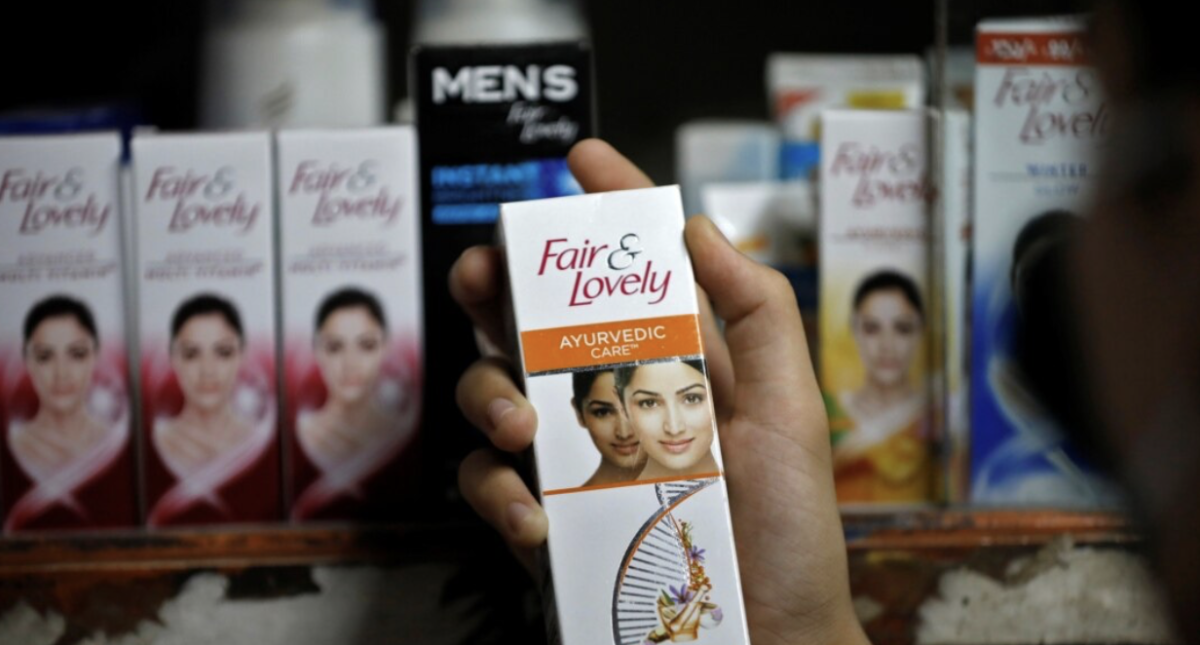
In a generation that claims to celebrate diversity, it’s surprising how normalized skin-whitening products still are. From lightening creams to brightening serums and even TikTok videos with “before and after”, the beauty industry continues to promote this stereotype of what “pretty” looks like and many have fallen victim to this. Skin whitening for instance, has been highly promoted and marketed as a normal part of beauty culture for decades, hiding the real issue of colorism. This reinforce the idea that one skin tone is superior to another and the fact that the trend is still widely accepted today should concern us.
Skin whitening isn’t just a personal beauty choice but instead involves a long history of colonialism, classism, and media influence that lighter skin equals higher value. According to a 2023 report by the World Health Organization, the global skin-lightening market is expected to reach over $11 billion by 2026, with companies advertising lighter skin as a way to gain confidence, opportunity, and even “success.” That messaging doesn’t happen by accident.
Students at Rangeview also notice the growing trend of skin bleaching. Senior Gbemisola Folarin said, “It’s very popular in my country. People use lightening creams like they’re just part of a normal skincare routine. Like a lot of teens back home, they grow up seeing celebrities, even their own parents, promote lighter skin as the standard. This is nothing new.”
Other students related to her similar experiences such as Rangeview student, Blen Alemayhu mentioned that skin-whitening products are sold openly in corner stores in Ethiopia, and no one questions what that says about beauty standards. “It’s so normalized that you almost don’t notice it,” she said. “But when you think about it it’s kind of sad that people feel pressured to change themselves to fit a look.”
Til this day, so many young people around the world grow up seeing lighter skin praised and darker skin criticized which just emphazies why the trend is still strong til this day. The more we call it “a beauty preference,” the more we ignore the deeper issue that society benefits people with some skin tones more than others. Rangeveiw students believe that society needs to be honest about what skin whitening truly represented and how misleading it can be, especially to younger individuals. It is neither harmless or empowering, but rather that it’s a reflection that teaches women and young teens, they can’t accept their natural skin color. Most importantly, the fundamental of this issue may be with the oppressive beauty standard itself, not with the individuals attempting to conform to it.