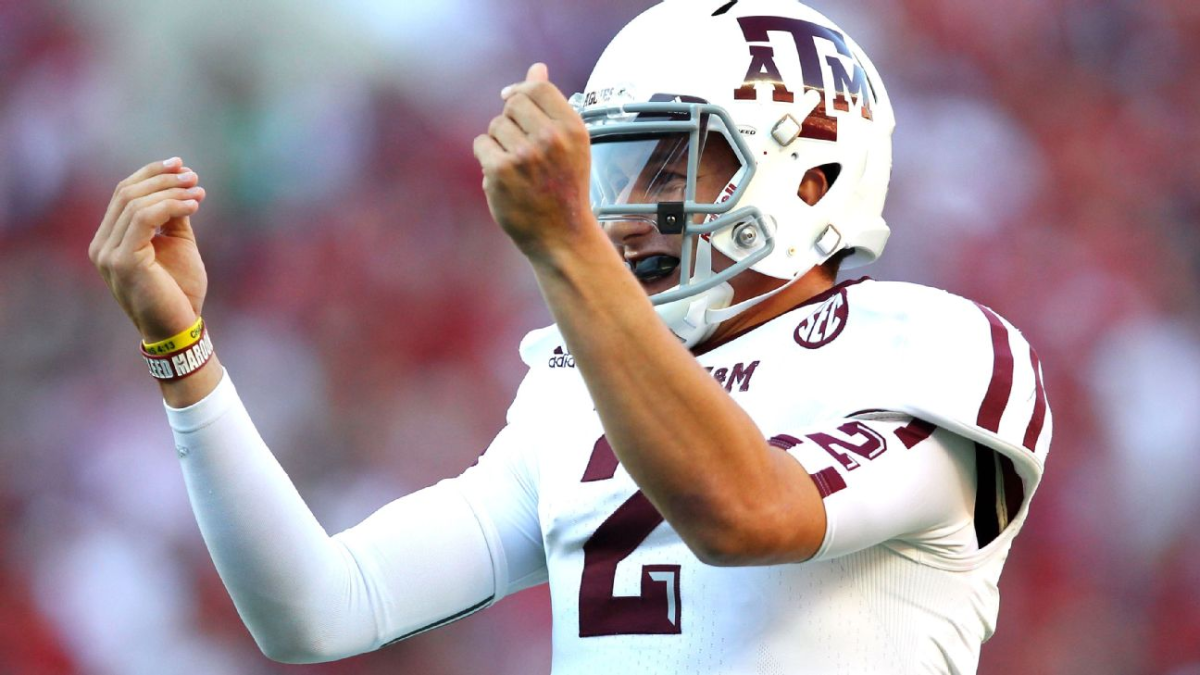
There is no controversy in the idea that college football players deserve to be paid because, like the pros, they generate billions of revenue while balancing their academics and risking their health every week. The controversy lies in how financial incentives have overtaken the developmental foundation that college football was built upon.
NIL doesn’t just reward players for skill or starpower, but for movement too. Players are consistently paid to commit, transfer, and are sometimes paid to leave a school entirely. These schools aren’t teaching football programs anymore, they’re completely rebuilding rosters every offseason. Development has become completely overshadowed by recruitment, and patience is often seen as failure.
Nowhere is that more prevalent than in the quarterback position. Learning to read defenses, leading a team, and being safe are all traits that a quarterback needs to take time to master. However, the current system encourages quarterbacks to leave their school at any sign of adversity, to chase more money rather than mastering a system and becoming a complete player. Colleges don’t develop quarterbacks anymore, but instead rent them until a school with deeper pockets lures them away.
The result is a sport that seems more professional on the surface, but really is hindering players’ development and leaves them unprepared for the next level. Systems are simplified, leadership isn’t prioritized, and mistakes become financially punishable. Veteran NFL voices have started to warn that college football prioritizes winning now rather than teaching fundamentals. As Tom Brady said on “The Joel Klatt Show: Big Noon Conversations” in August 2024, “There used to be college programs. Now, there are college teams. You’re no longer learning a program, you’re learning a playbook.” This often leads to physically gifted players underperforming at the next level and having a big confidence drop when they are faced with adversity.
The current NIL system has stripped college football of its identity. Fans struggle to connect with rosters that are being rebuilt every season. Rivalries feel less about tradition and more about business. College football used to be about passion, tradition, and personality. Now, it’s about leverage and financial maximization.
College football is starting to resemble the NFL in all of the wrong ways – rosters flip like free agency every season, and money is such a large factor in player decisions, but it completely lacks the structure that the NFL has. The NFL has contracts, rules, and stability. College football has incentives without boundaries. In trying to look more professional, the sport has started to lose its identity. Until the priorities change, college football will continue to imitate the NFL’s business model, while quietly losing everything that separates it and made it great to begin with.