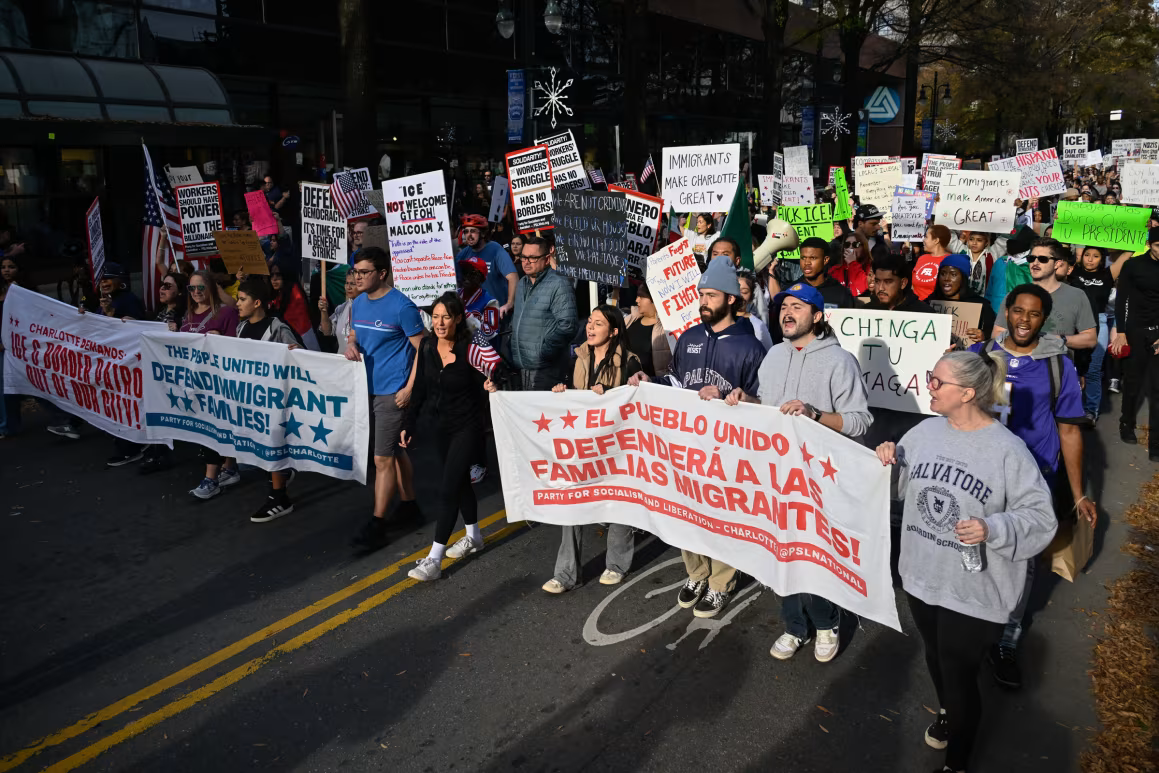
Last week, the U.S. Border Patrol surprised a lot of people by starting a big immigration raid in Charlotte, North Carolina. Over 100 people have already been arrested. Although Charlotte is not a border city, it was targeted due to its significant immigrant population and the recent termination of cooperation with ICE by local law enforcement, which may have prompted federal action. Since then, the city has seen protests, some businesses and schools temporarily closing, and a lot of students, families, and community leaders talking about what’s happening.
Charlotte isn’t close to the U.S. border, and it’s not what’s called a “sanctuary city” (a city that protects immigrants from being sent away). Recently, Charlotte’s crime rate dropped by 8%, which raises questions about the necessity of such a heavy-handed federal intervention when local safety is improving. Furthermore, North Carolina is mostly Democratic, reflecting a political landscape that might typically support migrant-friendly policies. This political leaning could make the city an unusual target for federal crackdowns, highlighting the tension between state politics and federal immigration enforcement. Additionally, only about 18% of people in the whole country are born in other countries, emphasizing the unique impact of immigration policies on local communities. Even though similar immigration crackdowns have happened in other Democratic states, Charlotte is now the focus of this new action, drawing national attention to issues surrounding immigration enforcement and political dynamics.
Just yesterday, the Charlotte sheriff, Garry McFadden, said he barely got any warning before the raid started. He was upset and wished law enforcement had been told in advance so they could help make the city safer. Even the city’s police weren’t given a chance to help or plan. People in the community, especially at a local group called Camino, which helps Latino families, are scared. Some are so worried they don’t even want to leave home to go to school, the doctor, or work. Paola Garcia, who speaks for Camino, said many Latinos came to the U.S. to find a better life and escape dangerous situations. She said it’s hard to see these families live in fear now.
On one hand, some people think these raids are happening for political reasons because elections are coming up. They argue that the timing of the raids might be an attempt to sway public opinion or distract from other political issues. This perspective suggests that immigration crackdowns serve as a tool to rally voter support through fear and highlight immigration as a key topic in political campaigns.
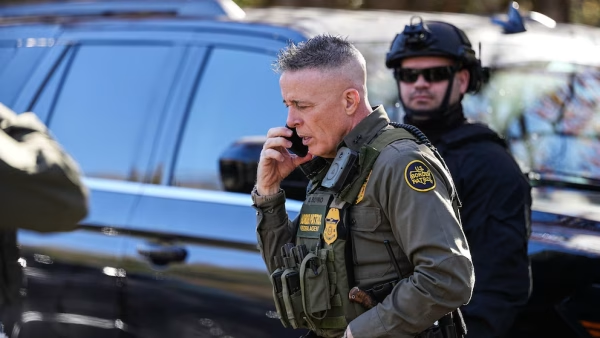
On the other hand, others say the raids are needed to fix safety problems after the city ended its partnership with ICE, which handles immigration enforcement. Proponents of this view believe that strong enforcement is necessary to maintain law and order, especially when local authorities are perceived as not cooperating. They claim that federal intervention is essential for addressing illegal immigration and ensuring community safety.
The Department of Homeland Security says this won’t be the last city to have a big immigration crackdown, with New Orleans up next. Local leaders want to know more about what’s happening before these raids start, but they haven’t gotten much information or a chance to help. One detail that got people’s attention was the raid’s name: “Operation Charlotte’s Web.” This name is identical to the title of a beloved children’s book, which tells a story about friendship, empathy, and the triumph of innocence over injustice. The use of this title upset many people as it seemed to trivialize the gravity of the situation by associating it with a well-loved story that holds significant cultural value. The author’s granddaughter, Martha White, expressed her disapproval, noting that her grandfather believed in fair laws and would never want people to be afraid in their own community. By appropriating this title, it not only evoked memories tied to the story’s themes but also symbolized a broader misunderstanding or disregard for the community’s feelings, further fueling public outcry.
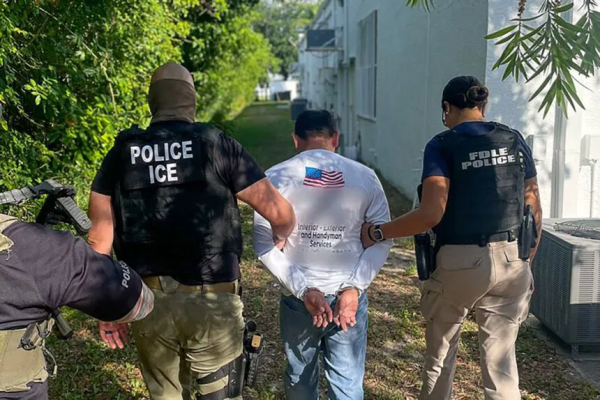
It’s affecting Colorado, as well. Our immigrant policies have rapidly shifted in fear of not being sought out by ICE, and many Coloradoan families are afraid. Our community is split about the policies, some saying that they agree out of fear of illegal immigration, and others disagreeing out of moral implications. Immigrant families in Colorado are afraid to stay, and while there hasn’t been any forceful legal action yet, people are still worried about being forced out of the country. Many Afghans have seen difficult choices: seek asylum elsewhere, risk deportation, or hide. There have been many legal backlogs and judge resignations, leaving immigrant families alone and unable to defend their rights. Because of this, family separations and deportations have risen dramatically.
Many polls have shown that rural regions of Colorado are more concerned about further immigration, whereas more urban areas aren’t. That’s because the slightest shift in a rural community can affect its entire way of life. They are more demographically and economically homogeneous than urban areas. There is a diverse array of economic positions and cultural differences in urban areas, which means less fear of immigrants. However, because of this, both communities are split, and tension is rising.
No one knows when or how the operation will end. Currently, many stores and other establishments are struggling to remain open due to workers’ concerns about leaving their homes. Protests keep happening, and people in Charlotte are still waiting for answers about what will happen next.